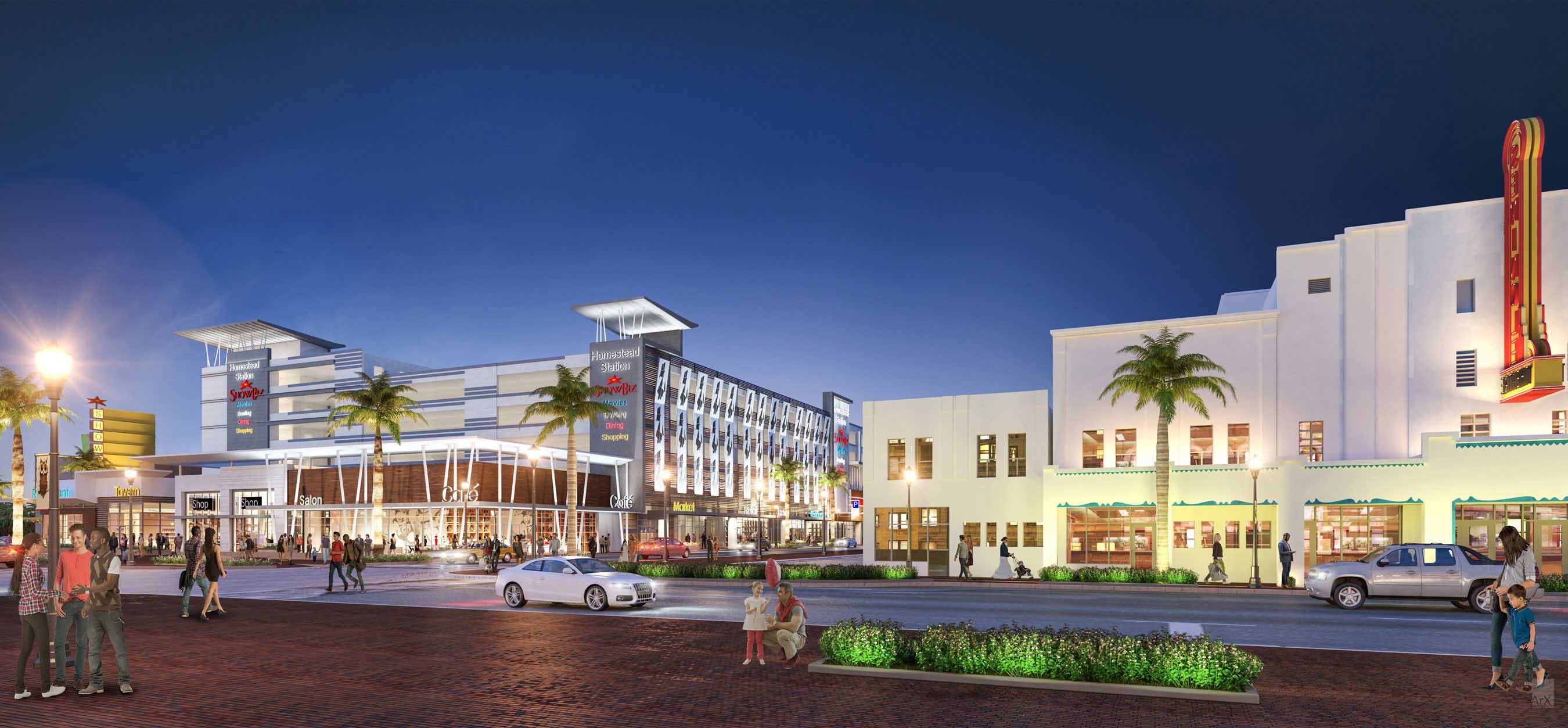
Key Operational Priorities for Homestead Displays
Integration of south-county programs with the connected Miami-Dade and Broward event region
Reference to the Miami Beach Convention Center's 1.4 million square feet of meeting space and 500,000 square feet of display space
Utilization of the GMCVB-documented supplier categories for AV, transportation, and related services
Venue-specific labor and service directives drawn from individual property manuals
Attention to freight timing along primary South to North corridors
Coordination with exhibitor-appointed contractors under show-specific guidelines
Strategic use of overflow capacity at the Broward County Convention Center
Homestead's Placement in the Extended South Florida Event Economy
As part of the south-county corporate and community corridor, Homestead participates in a regional meetings marketplace that links southern Miami-Dade locations to the beachfront convention core, downtown districts, airport belt, and northward into Broward County. This structure allows event organizers to leverage substantial venue depth while addressing the distinct logistical profile created by distance from primary facilities. Rather than treating Homestead in isolation, effective coordination references the unified Miami-Dade and Broward operating region described in official venue overviews, where major shows, overflow programs, and incentive events routinely cross county boundaries.
The Miami Beach Convention Center functions as a central reference with its documented 1,400,000 square feet of meeting and event space, nearly 500,000 square feet of versatile display space, a 60,000 Square Foot Grand Ballroom, a 20,000 Square Foot Junior Ballroom, and 84 breakout rooms. These specifications set benchmarks for scale that influence planning for programs with Homestead participation or origins. Similarly, the Miami Airport Convention Center contributes 172,000 square feet of conference and trade show space, including 100,000 square feet of display area, a 29,000 Square Foot ballroom, and 45 breakout rooms, offering logistical convenience for Air Travel Dependent attendees traveling to or from southern areas.
Broward County Convention Center further extends capacity as a recognized overflow destination, providing 350,000 square feet of contiguous display space together with a 31,639 Square Foot meeting venue and stated plans for campus growth beyond 1.2 million square feet. This infrastructure supports strategic distribution of events across the region, enabling Homestead-area organizers to align with established standards for freight movement, contractor coordination, and technical execution without presuming direct venue affiliations.
Venue-Driven Coordination and Manual Requirements
Successful execution in the Homestead context requires strict adherence to venue-specific operational manuals rather than generalized assumptions about market conditions. Each property, whether the Miami Beach Convention Center, the airport facility, resort-based meeting venues, or Broward properties, maintains its own platform for sales, services, loading, and contractor access. This differentiated approach ensures that planning accounts for unique loading realities, neighborhood routing patterns, and exhibitor-appointed contractor protocols that vary by location and event.
Official guidance from South Florida venue resources consistently frames support around individual property event platforms, from dedicated convention sales and services teams to resort-managed environments. For projects touching Homestead, this translates to advance review of current exhibitor manuals, show-specific instructions, and property-level directives that govern everything from freight schedules to on-site technical services. Such diligence prevents disruptions that can arise when regional connectivity is underestimated.
The Greater Miami Convention and Visitors Bureau reinforces this by positioning its Convention Sales and Services team as a resource for contracting, room blocks, logistics, and related coordination. This assistance operates at the planning level, helping align Homestead initiatives with the expectations maintained across the interconnected Miami-Dade and Broward marketplace while respecting the distinct operational boundaries of each venue.
Supplier Network Breadth and Mixed-Vendor Dynamics
The South Florida meetings ecosystem maintains a broad supplier directory organized into distinct categories that include audio-visual and film services, caterers, destination management companies, transportation providers, employment services, and entertainment booking. This structure supports a mixed, Vendor Network Driven environment in which organizers assemble the appropriate resources for each program's technical, logistical, and hospitality requirements. For Homestead-area displays, this network enables access to high-quality partners without reliance on any single universal provider.
Documentation from the GMCVB supplier section highlights collaboration among specialized firms capable of delivering upscale catering, advanced AV solutions, professional transportation, and talent booking that together create cohesive event experiences. Planning therefore involves early identification of compatible suppliers whose capabilities align with the scale and character of the specific venue and show. This method respects the absence of blanket labor or service rules across the region, directing attention instead to the documented categories and the individual manuals that govern their deployment.
Such an ecosystem approach proves especially relevant for south-county programs that may combine elements of corporate showcases, industry trade displays, or community activations. By coordinating through established supplier channels, organizers maintain operational consistency with the standards observed at major facilities while adapting to the routing and timing nuances inherent in southern Miami-Dade origins.
Dedicated categories for AV and film services
Separate listings for caterers and destination management companies
Transportation, employment services, and entertainment booking resources
Emphasis on high-quality, collaborative supplier relationships
Labor Positioning and Service Realities
Labor and house service arrangements throughout Miami-Dade and Broward operate under a venue-driven model in which final conditions depend on the specific property, the show organizer, and the current event documentation. No single blanket designation applies across the market; instead, each convention center, airport facility, resort campus, and specialized venue follows its own established protocols. This positioning requires organizers to consult the relevant exhibitor manual for any program connected to Homestead to determine allowable outside vendors, union parameters, or house labor requirements.
Official materials from properties such as the Miami Beach Convention Center and Broward County Convention Center emphasize coordination between the event organizer, the facility's sales and services team, and approved contractors. For south-county displays, this often involves advance planning for staffing of registration, technical support, and material handling that complies with the live event paperwork. The broader supplier ecosystem for employment services provides additional flexibility when venue rules permit outside coordination.
Safe planning language consistently describes these arrangements as show-specific and manual-driven. This disciplined approach protects against misalignment and ensures that every element of the display program, from initial freight arrival to final dismantle, adheres to the documented conditions at the chosen venue within the regional network.
Freight Timing, Routing, and Logistical Detail
Neighborhood routing and freight timing represent critical planning components for programs originating from or serving the Homestead area. Major arteries connecting southern Miami-Dade to the Miami Beach Convention Center, airport facilities, and Broward venues demand precise scheduling to accommodate peak traffic patterns, loading dock availability, and advance warehouse requirements where applicable. Official venue guides stress the importance of understanding each property's specific move-in and move-out windows to prevent bottlenecks that can affect overall program success.
Exhibitor-appointed contractor coordination plays a central role in managing these logistics, ensuring that materials arrive in sequence with the venue's established procedures. For south-county initiatives, this may involve additional lead time to account for travel distance while maintaining alignment with the scale of display space available at primary facilities. Documentation from multiple convention centers consistently prioritizes these operational details over generic descriptions, providing planners with concrete parameters for execution.
Effective integration of these elements allows Homestead-linked displays to benefit from the full regional capacity while respecting the differentiated demands of each district. Whether routing to the 500,000 square feet of display space at Miami Beach or utilizing Broward overflow, attention to freight realities helps secure smooth transitions from planning through onsite implementation.
Advance review of venue-specific loading and freight schedules
Coordination with exhibitor-appointed contractors for material handling
Accounting for South to North travel timing along primary corridors
Alignment with individual property move-in and move-out protocols
Strategic Planning Resources and Regional Alignment
The Convention Sales and Services team at the Greater Miami Convention and Visitors Bureau offers a spectrum of planning assistance that ranges from venue selection to logistics support, enabling organizers to align Homestead initiatives with the expectations of the broader South Florida marketplace. This resource functions at the coordination level, helping translate regional capacity into executable programs without replacing the need for direct consultation of current exhibitor manuals and supplier agreements.
By referencing the documented specifications of the Miami Beach Convention Center, Miami Airport Convention Center, and Broward County Convention Center, planners can develop programs that scale appropriately while incorporating the nuanced operational requirements of south-county participation. This includes early mapping of supplier involvement, labor considerations, and routing requirements that together determine the ultimate success of the display.
The cumulative effect is a planning discipline that prioritizes venue specificity, district-level differentiation, and detailed coordination. Such an approach equips Homestead-area exhibitors to participate effectively in the connected Miami-Dade and Broward event economy while maintaining full compliance with the individual rules that govern each property and show.
Best Practices for Homestead-Area Display Programs
Successful outcomes begin with comprehensive review of all available venue documentation and supplier directories well in advance of show dates. This includes mapping the precise square footage and room configurations needed against the capacities published for the Miami Beach Convention Center, airport facility, and Broward properties. Early identification of required service categories from the GMCVB supplier listings further streamlines the assembly of the right team for audiovisual, transportation, and catering needs.
Attention to exhibitor-appointed contractor protocols ensures that design, fabrication, and onsite management remain synchronized with the show's official general contractor where required. For south-county programs this often means additional focus on transportation windows and material staging that respects both local access points and the larger venue's loading specifications. Regular checkpoints against the current event manual help maintain compliance throughout the planning cycle.
Finally, integration of these elements within the unified regional framework allows for scalable, professional displays that meet the standards set across Miami-Dade and Broward. The result is coordinated execution that leverages the documented strengths of the South Florida meetings infrastructure while addressing the operational nuances unique to southern locations.
Early mapping of venue capacities against program requirements
Systematic review of supplier categories and venue manuals
Structured coordination with exhibitor-appointed contractors
Ongoing alignment with show-specific and property-specific directives